
Benefits of Construction Crane Rentals

In the realm of modern construction, the utilization of cranes has become indispensable. The complexity and scale of projects demand equipment that can efficiently handle heavy loads, reach considerable heights, and operate with precision. Opting for construction crane rentals offers a strategic advantage that aligns with the evolving needs of residential, commercial, and industrial projects across British Columbia. This approach not only enhances operational efficiency but also ensures cost-effectiveness and safety compliance. Through this discourse, I will elucidate the multifaceted benefits that arise from engaging crane rental services, underscoring their pivotal role in contemporary construction undertakings.
The Strategic Advantage of Construction Crane Rentals
The decision to rent cranes rather than purchase them outright is often driven by pragmatic considerations. Construction projects vary significantly in scope and duration, making the ownership of cranes a less flexible and more capital-intensive option. Renting cranes provides access to a diverse fleet of equipment tailored to specific project requirements without the burden of long-term maintenance and storage costs.
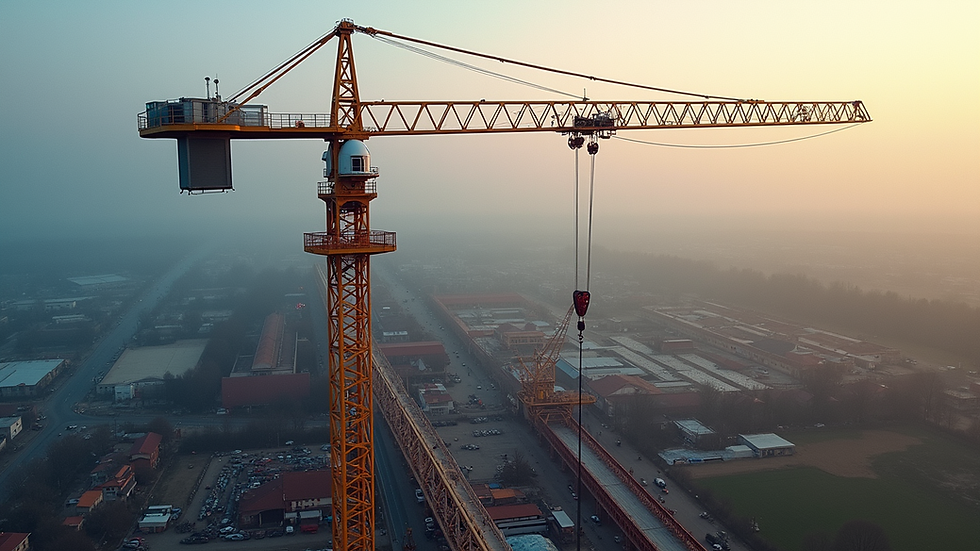
Moreover, rental services typically include expert consultation, ensuring that the selected crane matches the technical demands of the task. This alignment minimizes downtime and maximizes productivity. For instance, a high-rise residential development may necessitate a tower crane with precise load capacity and reach, whereas a commercial warehouse project might require a mobile crane for versatile maneuvering. The availability of various crane types through rental services facilitates this adaptability.

Enhancing Project Efficiency with Construction Crane Rentals
Efficiency in construction is paramount, as delays can escalate costs and disrupt schedules. Renting cranes contributes significantly to streamlining operations. Rental companies often provide well-maintained, modern equipment that complies with the latest safety and performance standards. This reliability reduces the risk of mechanical failures that could halt progress.
Additionally, rental agreements frequently encompass operator services, which ensures that skilled professionals handle the equipment. This expertise is crucial for complex lifts and adherence to safety protocols. The integration of experienced operators with state-of-the-art cranes fosters a seamless workflow, enabling projects to advance according to plan.
Furthermore, the flexibility inherent in rental arrangements allows for scaling equipment usage up or down based on project phases. For example, a construction site may require a crane intensively during the initial structural phase but less so during finishing stages. Renting accommodates these fluctuations without incurring unnecessary expenses.
How much is a crane to hire per day?
Understanding the financial implications of crane rental is essential for effective budgeting. The cost to hire a crane per day varies widely depending on several factors, including the type of crane, its lifting capacity, rental duration, and additional services such as operator provision and transportation.
Typically, smaller mobile cranes may be rented for several hundred dollars per day, whereas larger tower cranes or specialized equipment can command rates in the thousands. It is important to consider that longer rental periods often attract discounted daily rates, making extended projects more economical.
Additional costs may include site preparation, permits, and insurance, which should be factored into the overall expenditure. Engaging with reputable rental providers who offer transparent pricing and comprehensive service packages can mitigate unexpected expenses and facilitate accurate financial planning.

Safety and Compliance Benefits of Renting Cranes
Safety remains a non-negotiable priority in construction environments. Renting cranes from established providers ensures that equipment undergoes rigorous inspections and maintenance routines, adhering to provincial and national safety regulations. This compliance reduces the likelihood of accidents caused by equipment failure.
Moreover, rental companies often provide training and certification for crane operators, reinforcing safe operational practices. The responsibility for equipment certification and regulatory adherence lies with the rental service, alleviating the client’s administrative burden.
In addition, rental agreements typically include liability coverage, offering financial protection in the event of unforeseen incidents. This comprehensive approach to safety and compliance fosters a secure working environment, which is indispensable for maintaining project momentum and protecting personnel.
Environmental and Logistical Advantages of Crane Rentals
The environmental impact of construction activities is increasingly scrutinized, prompting the adoption of sustainable practices. Renting cranes contributes to this objective by optimizing resource utilization. Rather than manufacturing and maintaining a fleet of cranes that may remain idle for extended periods, rental services promote shared use, reducing the overall carbon footprint.
Logistically, rental providers manage the transportation and setup of cranes, which can be complex and resource-intensive. Their expertise ensures that cranes are delivered and installed efficiently, minimizing disruption to the construction site and surrounding areas. This logistical support is particularly valuable in urban settings where space constraints and regulatory requirements complicate equipment handling.
By leveraging rental services, construction projects benefit from reduced environmental impact and streamlined logistics, aligning with contemporary standards of responsible development.
Maximizing Value Through Expert Crane Rental Partnerships
The selection of a crane rental partner is a critical determinant of project success. Premier providers offer not only equipment but also comprehensive support, including site assessments, customized solutions, and ongoing technical assistance. This partnership approach ensures that the crane services are fully integrated into the project’s operational framework.
Clients can expect tailored recommendations that consider site conditions, project timelines, and budget constraints. Such collaboration enhances decision-making and fosters proactive problem-solving. The result is a construction process characterized by precision, safety, and efficiency.
In conclusion, the advantages of construction crane rentals are manifold and compelling. They encompass financial prudence, operational agility, safety assurance, environmental responsibility, and expert collaboration. For projects across British Columbia, engaging with a reputable crane rental service represents a strategic investment that underpins successful construction outcomes.
For those seeking reliable and efficient lifting solutions, exploring construction crane rental options is an essential step toward achieving project excellence.


Comments