
The Importance of Certified Welding Services in Modern Industry
- Mike Ryane
- Mar 23
- 5 min read

In the realm of construction, maintenance, and industrial operations, welding stands as a cornerstone skill that ensures structural integrity and safety. The significance of employing certified welding services cannot be overstated, particularly when projects demand precision, reliability, and adherence to stringent standards. As someone deeply involved in overseeing complex projects, I have witnessed firsthand how the expertise of certified professionals transforms outcomes, mitigates risks, and elevates the quality of work delivered.
The Critical Role of Certified Welding Services in Project Success
Certified welding services embody a commitment to excellence, safety, and compliance. Certification is not merely a formality; it is a rigorous validation of a welder’s proficiency, knowledge, and ability to perform under diverse conditions. This assurance is indispensable for residential, commercial, and industrial clients who require dependable results that withstand the test of time and environmental challenges.
The certification process involves comprehensive training, practical examinations, and adherence to industry codes such as those established by the American Welding Society (AWS) or Canadian Welding Bureau (CWB). These standards ensure that welders possess the technical skills necessary to execute complex welds on various materials, including steel, aluminum, and exotic alloys. The presence of certified welders on a project guarantees that welding procedures are executed with precision, reducing the likelihood of structural failures or costly rework.
Moreover, certified welding services contribute significantly to project timelines. Skilled welders, familiar with best practices and equipped with the latest techniques, perform tasks efficiently without compromising quality. This efficiency is crucial in maintaining schedules, especially in large-scale industrial projects where delays can cascade into substantial financial losses.

Ensuring Safety and Compliance Through Certified Welding Services
Safety is paramount in any construction or industrial environment. Welding, by its nature, involves hazards such as intense heat, sparks, fumes, and the risk of structural failure if improperly executed. Certified welding services play a pivotal role in mitigating these risks by ensuring that welders are trained not only in technical skills but also in safety protocols and hazard management.
Certified welders are well-versed in the use of personal protective equipment (PPE), proper ventilation techniques, and fire prevention measures. Their training includes understanding the properties of different metals and how welding affects their strength and durability. This knowledge is critical in preventing accidents that could endanger workers and compromise the integrity of the structure.
Compliance with local and national regulations is another essential aspect of certified welding services. Regulatory bodies mandate specific standards for welding in various sectors, including residential, commercial, and industrial construction. Employing certified welders ensures that all welding activities meet these legal requirements, thereby avoiding penalties, project shutdowns, or liability issues.
In addition, certified welding services often include thorough documentation and inspection processes. Welds are subjected to non-destructive testing (NDT) methods such as ultrasonic testing, radiography, or magnetic particle inspection to verify their quality. This level of scrutiny provides clients with confidence that the work performed adheres to the highest safety and quality standards.
The Advantages of Certified Mobile Welding for On-Site Flexibility
In many projects, the ability to perform welding on-site is invaluable. This is where certified mobile welding services become indispensable. Mobile welding units bring the expertise and equipment directly to the project location, eliminating the need to transport large components to a fixed workshop. This flexibility accelerates project timelines and reduces logistical complexities.
Certified mobile welding services are particularly beneficial in remote or challenging environments where access to traditional welding facilities is limited. For example, industrial sites in British Columbia’s rugged terrain often require on-the-spot repairs or custom fabrications. Mobile welders, equipped with state-of-the-art tools and certified skills, can address these needs promptly, minimizing downtime and maintaining operational continuity.
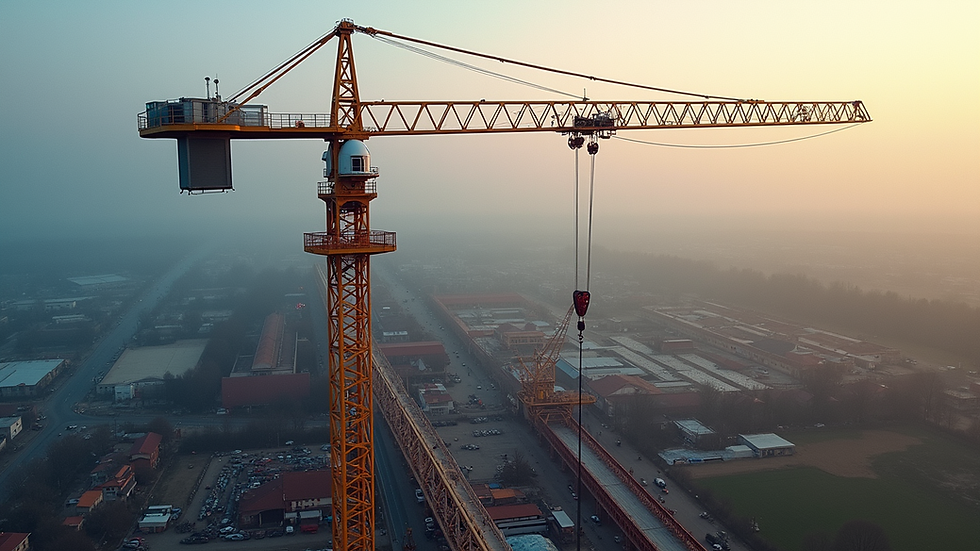
Furthermore, mobile welding enhances the ability to respond to emergencies or unexpected issues. Whether it is repairing a critical crane component or reinforcing structural elements during construction, certified mobile welding ensures that solutions are delivered swiftly and reliably. This responsiveness is a testament to the value of certification, as only highly trained professionals can perform such tasks under pressure without compromising quality.

Practical Recommendations for Selecting Certified Welding Services
Choosing the right certified welding services requires careful consideration of several factors to ensure alignment with project goals and standards. Based on extensive experience, I recommend the following practical steps:
Verify Certification Credentials: Confirm that the welding professionals hold valid certifications from recognized bodies such as AWS or CWB. Request documentation and inquire about the specific types of welding they are certified to perform.
Assess Experience and Specialization: Evaluate the welder’s experience in the relevant industry sector. Specialized knowledge in residential, commercial, or industrial welding can significantly impact the quality and suitability of the work.
Review Safety Records and Protocols: Inquire about the company’s safety policies, training programs, and incident history. A strong safety culture is indicative of professionalism and reliability.
Request References and Portfolio: Examine past projects and client testimonials to gauge the welder’s track record. This insight helps in understanding their capability to handle projects similar in scope and complexity.
Evaluate Equipment and Technology: Ensure that the welding service provider utilizes modern equipment and adheres to current technological standards. Advanced tools contribute to precision and efficiency.
Consider Mobile Welding Capabilities: For projects requiring on-site welding, verify the availability and readiness of mobile welding units. This can be a decisive factor in project scheduling and cost management.
By adhering to these recommendations, clients can secure certified welding services that not only meet but exceed expectations, thereby safeguarding their investments and project outcomes.
The Strategic Value of Certified Welding Services in British Columbia’s Industrial Landscape
British Columbia’s diverse industrial landscape demands welding services that are both versatile and dependable. From the construction of commercial buildings to the maintenance of heavy machinery and infrastructure, the role of certified welding services is integral to the province’s economic vitality.
Premier Crane Services, for instance, exemplifies the strategic advantage of partnering with certified professionals. Their commitment to safety, efficiency, and quality aligns perfectly with the rigorous demands of lifting, maintenance, and construction support across British Columbia. By integrating certified welding services into their operations, they ensure that projects are completed on schedule and to the highest standards.
The regional challenges, including variable weather conditions and remote locations, further underscore the necessity of certified mobile welding. The ability to deploy skilled welders directly to the site mitigates delays and enhances operational resilience. This adaptability is crucial for maintaining the momentum of projects and meeting client expectations consistently.
In conclusion, the importance of certified welding services extends beyond mere compliance. It represents a strategic investment in quality, safety, and efficiency that yields tangible benefits across residential, commercial, and industrial sectors. The assurance provided by certification, combined with the flexibility of mobile welding, positions clients to achieve superior outcomes in every project undertaken.


Comments