
The Role of Welding and Fabrication in Industrial Welding Solutions

In the realm of industrial operations, the significance of industrial welding solutions cannot be overstated. These processes form the backbone of construction, maintenance, and manufacturing activities that drive economic growth and infrastructure development. The precision, strength, and durability offered by welding and fabrication are indispensable in ensuring that structures and machinery meet stringent safety and performance standards. As someone deeply engaged in this sector, I have witnessed firsthand how these techniques underpin the success of complex projects across British Columbia.
The Importance of Industrial Welding Solutions in Modern Industry
Industrial welding solutions encompass a broad spectrum of techniques designed to join metals and other materials with exceptional strength and reliability. These solutions are critical in sectors such as construction, shipbuilding, aerospace, and energy production. The ability to create seamless joints that withstand extreme conditions is essential for the longevity and safety of industrial assets.
For example, in the construction of bridges and high-rise buildings, welding ensures that steel frameworks are securely connected, providing the necessary support to withstand environmental stresses. Similarly, in the energy sector, pipelines and pressure vessels rely on precise welding to prevent leaks and failures that could have catastrophic consequences.
The adoption of advanced welding technologies, such as automated welding systems and robotic arms, has further enhanced the efficiency and quality of industrial welding solutions. These innovations reduce human error, increase production speed, and allow for the fabrication of complex components that were previously difficult to achieve.

Key Techniques and Materials in Industrial Welding Solutions
Understanding the various welding techniques and materials used in industrial applications is crucial for appreciating their role in fabrication and construction. The most common welding methods include:
Shielded Metal Arc Welding (SMAW) - Often referred to as stick welding, this method is versatile and widely used for its simplicity and effectiveness on thick materials.
Gas Metal Arc Welding (GMAW/MIG) - Known for its speed and ease of use, MIG welding is ideal for thin to medium thickness metals.
Gas Tungsten Arc Welding (GTAW/TIG) - Provides high-quality, precise welds, especially on thin materials and non-ferrous metals.
Flux-Cored Arc Welding (FCAW) - Combines the benefits of SMAW and GMAW, suitable for outdoor and heavy-duty applications.
Materials commonly welded include carbon steel, stainless steel, aluminum, and various alloys. Each material demands specific welding parameters and filler materials to ensure optimal joint integrity.
The fabrication process often involves cutting, bending, and assembling metal components before welding. This integrated approach allows for the creation of custom structures tailored to specific industrial needs. For instance, in manufacturing plants, fabricated steel frames support heavy machinery, while in commercial buildings, fabricated metal panels contribute to architectural aesthetics and structural support.
What is a Welder’s Salary in Canada?
The compensation for welders in Canada varies depending on experience, certification, and the complexity of the work involved. In British Columbia, welders engaged in industrial projects typically earn competitive wages reflective of their skill level and the demands of the job.
Entry-level welders may start with an hourly wage ranging from CAD 20 to CAD 25, while experienced welders, especially those certified in specialized techniques, can command rates upwards of CAD 35 to CAD 45 per hour. Supervisory roles and positions requiring advanced certifications, such as pressure vessel welding, often offer salaries exceeding CAD 70,000 annually.
The demand for skilled welders remains robust due to ongoing infrastructure projects and industrial expansions. Consequently, investing in training and certification can significantly enhance a welder’s earning potential and career prospects.
The Impact of Welding and Fabrication on Project Efficiency and Safety
The integration of welding and fabrication into industrial workflows directly influences project timelines and safety outcomes. High-quality welding reduces the likelihood of structural failures, which can cause costly delays and pose serious safety risks. Moreover, fabricated components that are precisely engineered and assembled off-site can be installed more quickly, minimizing on-site labor and exposure to hazardous conditions.
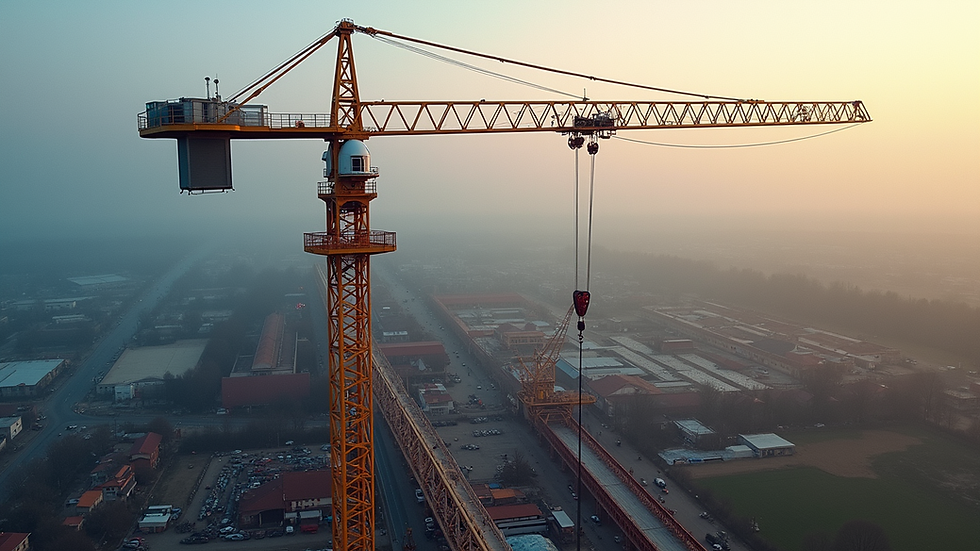
For example, in crane construction and maintenance—a critical service in British Columbia’s industrial landscape—fabricated steel parts must meet exacting standards to ensure the equipment’s reliability and safety. Welding defects or fabrication errors can compromise load-bearing capacity, leading to accidents or operational downtime.
To mitigate these risks, rigorous inspection protocols, including non-destructive testing (NDT) methods such as ultrasonic and radiographic testing, are employed. These inspections verify weld integrity and detect flaws before components are deployed in the field.

Future Trends in Industrial Welding Solutions
Looking ahead, the field of industrial welding solutions is poised for significant advancements driven by technological innovation and evolving industry demands. Key trends include:
Automation and Robotics: Increasing adoption of robotic welding systems enhances precision and repeatability, particularly in hazardous or repetitive tasks.
Advanced Materials: The development of new alloys and composite materials requires novel welding techniques and filler materials to maintain joint strength.
Sustainability Initiatives: Efforts to reduce environmental impact are prompting the use of energy-efficient welding processes and recyclable materials.
Digital Integration: The use of digital twins and real-time monitoring systems allows for predictive maintenance and quality control, reducing downtime and improving safety.
These trends will continue to shape the capabilities and applications of welding and fabrication, ensuring that industrial projects in British Columbia and beyond are executed with greater efficiency and reliability.
Embracing Industrial Welding Solutions for Sustainable Growth
The indispensable role of welding and fabrication in industrial welding solutions underscores their value in supporting the infrastructure and economic vitality of British Columbia. By leveraging advanced techniques, skilled labor, and rigorous quality control, projects can be completed safely, efficiently, and on schedule.
For clients seeking comprehensive lifting, maintenance, and construction support, prioritizing partners who excel in these areas is essential. The commitment to excellence in welding and fabrication not only ensures structural integrity but also fosters long-term sustainability and operational success.
In conclusion, the continued evolution and application of industrial welding solutions will remain a cornerstone of industrial development, enabling the realization of ambitious projects that meet the highest standards of safety and performance.


Comments